
Baron and the Library
Shortly after his arrival at Columbia, Baron set to work enhancing its collection to world-class status. He purchased hundreds of manuscripts from David Fraenkel, a bookseller in Vienna whose collections were world-renowned. An article in the New York Times described “650 manuscripts in Hebrew characters, more than twenty manuscripts in Arabic, Persian, Turkish, Spanish, Italian and Greek . . . from Babylon, Baghdad, Greece, Italy, Spain, Turkey and Yemen.”
A sample of the manuscripts acquired by Baron:
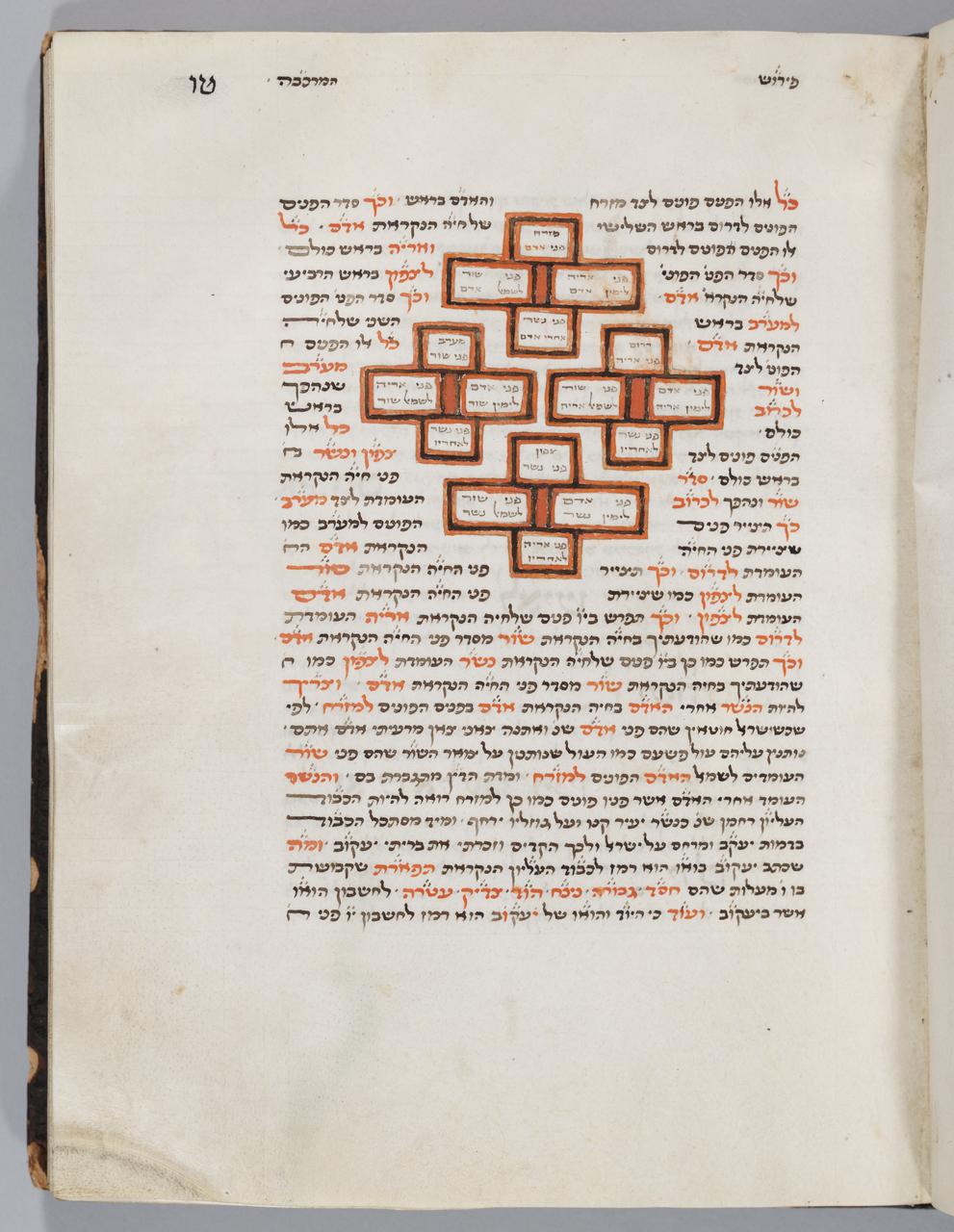
Sefer ha-orah
- Collection
- MS X893 G363
- Author
- Gikatilla, Joseph ben Abraham, 1248-
- Date Created
- 1405
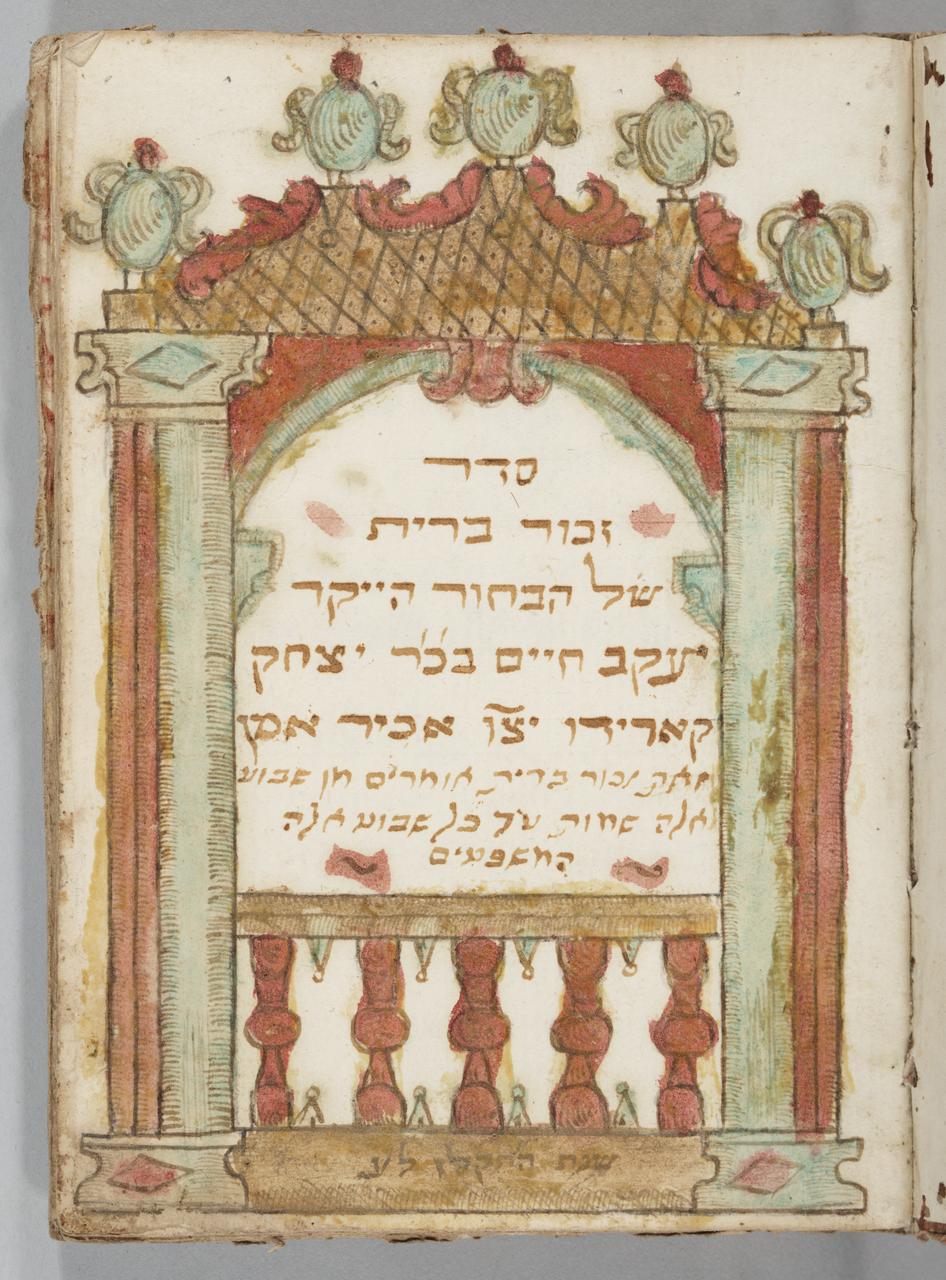
Seder zakhor berit
- Collection
- MS X893 K14
- Date Created
- 1776
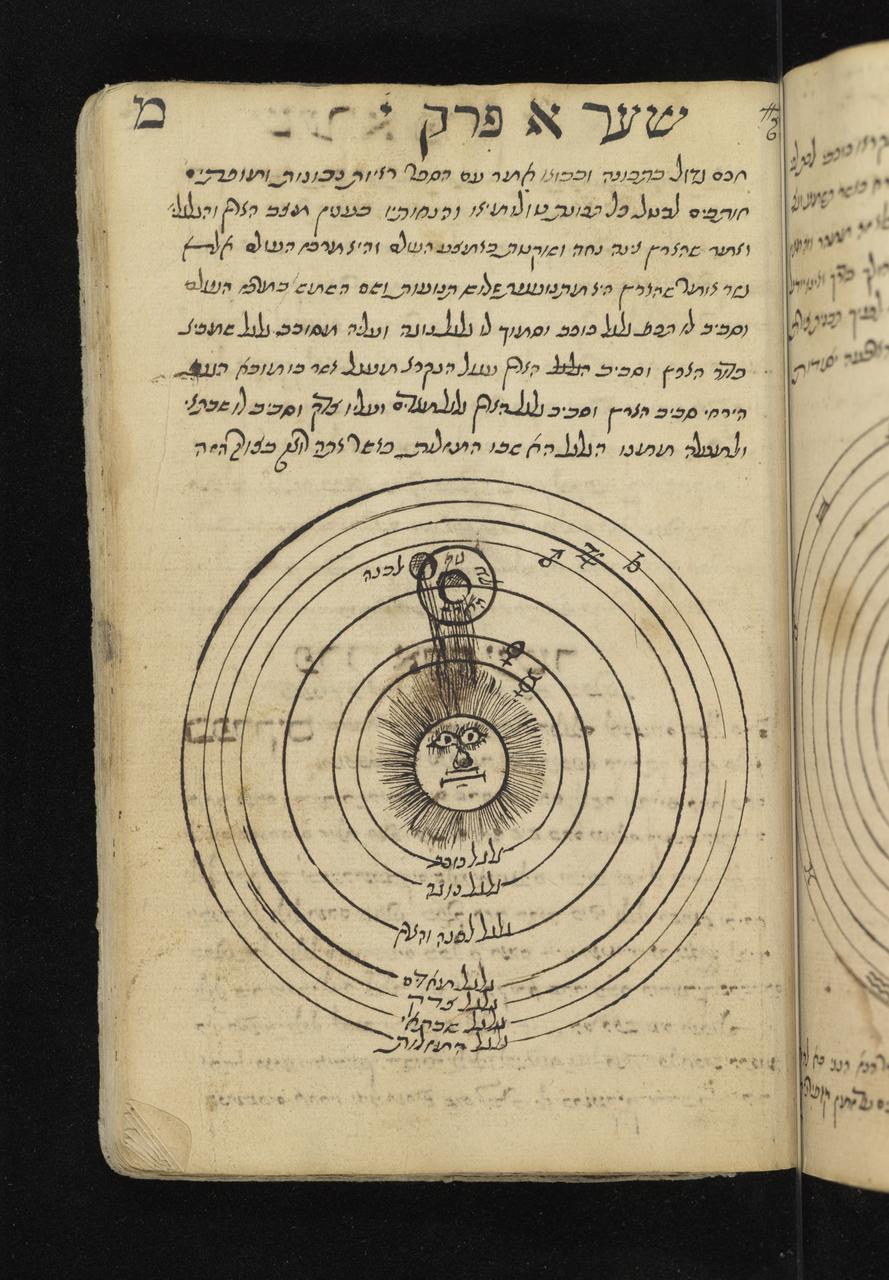
Tekhunat ha-olam u-binah le-itim: bo yitbaer tsurat ha-arets ve-tavnit ha-olam
- Collection
- MS X893 K979
- Author
- Lopis, Yitsḥaḳ
- Date Created
- 1704
But Baron was not only acquiring - he was studying and publishing the manuscripts as well: A passing line in his The Jewish Community: Its History and Structure to the American Revolution refers to the sale of a fourteenth-century manuscript (“now in the Columbia University Library”) for twenty-six gold ducats as part of a discussion on the cost of manuscripts in the medieval period.
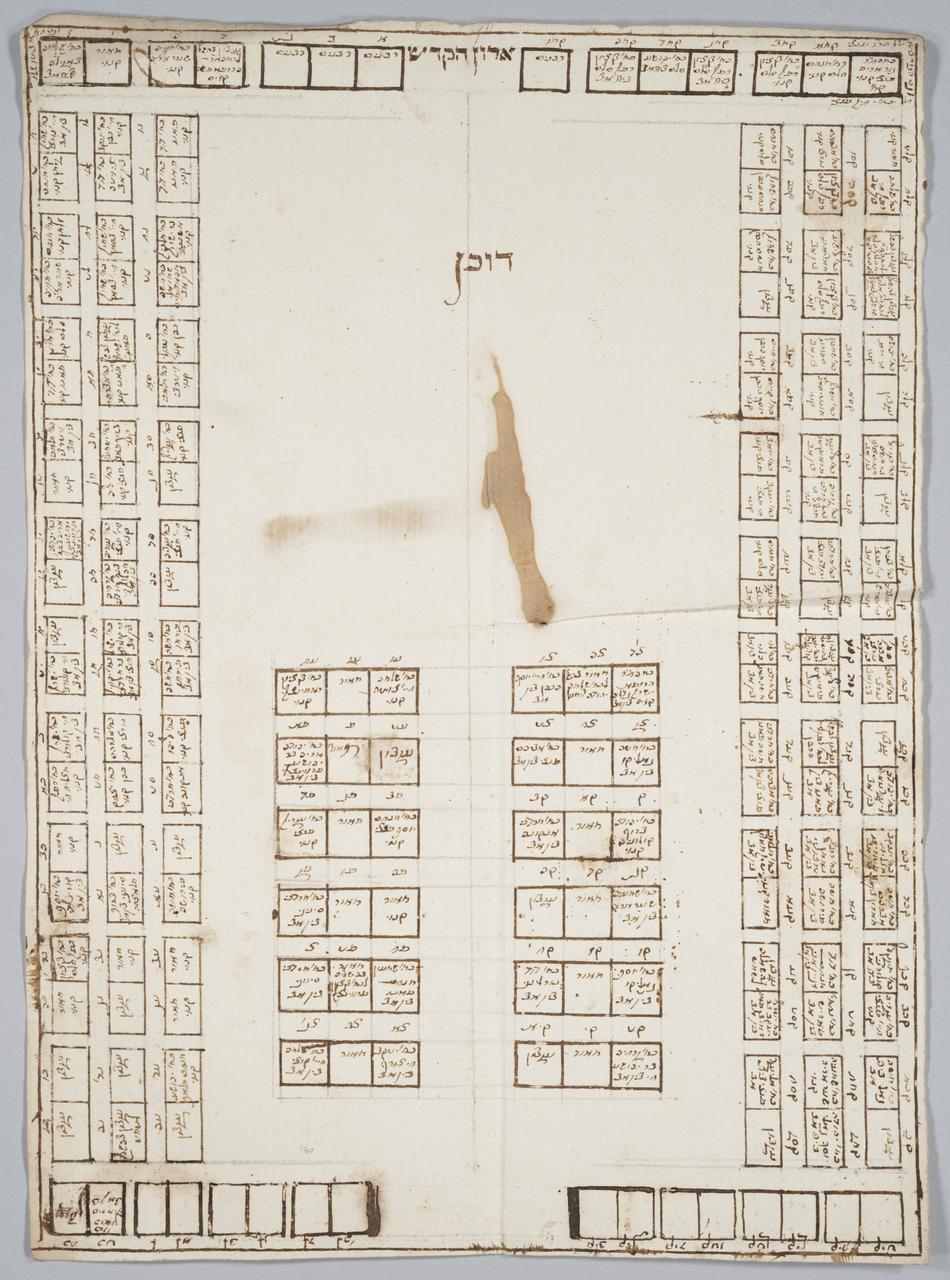
Sheṭarot u-pinḳase kehilah: Mantua. Seating chart
Seating chart from the Scuola Grande in Mantua, c.18th century
- Collection
- MS X893 D549
- Date Created
- 1701
Along with the broader collection was a group of manuscripts relating to the Jewish Communities of Greece. An exhibition in 2022 highlighted this collection and its colorful and important manuscripts. Baron published scholarship relating to this community as well: on the redemption of captives, general community activities, and disputes between the Italian and native Greek Jews on the island of Corfu.
For more on the Jews of Corfu, check out our joint exhibition with the Jewish Theological Seminary!
Ketubbah, Corfu
A ketubah, Jewish traditional marriage contract, from Corfu, Greece, written on the 1st of Adar 5495 [Feb. 23, 1735]. The ketubah is beautifully illustrated with many colors: blue, yellow, green, red, pink and more. The Ms. lists the dowry given by the bride's parents to the groom and the groom's gifts to the bride, includes numerous details about the jewelry, and the colors and materials of the clothing. The names of the jewelry and clothing are written in Italian in Hebrew characters.